Japan had been calling to me for years—not the neon-lit Tokyo of popular imagination, but the Japan of ancient pilgrimage routes, hidden mountain villages, and centuries-old traditions. What I discovered was far more than ancient history—it was a living, breathing culture that offers profound lessons for our modern world.
Chapters
Journey Insights
Currency: Japanese Yen (JPY)
Language: Japanese (limited English outside major cities)
Best season: April-May / September-October (mild weather, fewer crowds)
Temple etiquette: Remove shoes, speak quietly, ask before photographing
Cultural insight: The Kumano Kodo is one of only two pilgrimage routes recognized as a UNESCO World Heritage Site
The Sacred Kumano Kodo
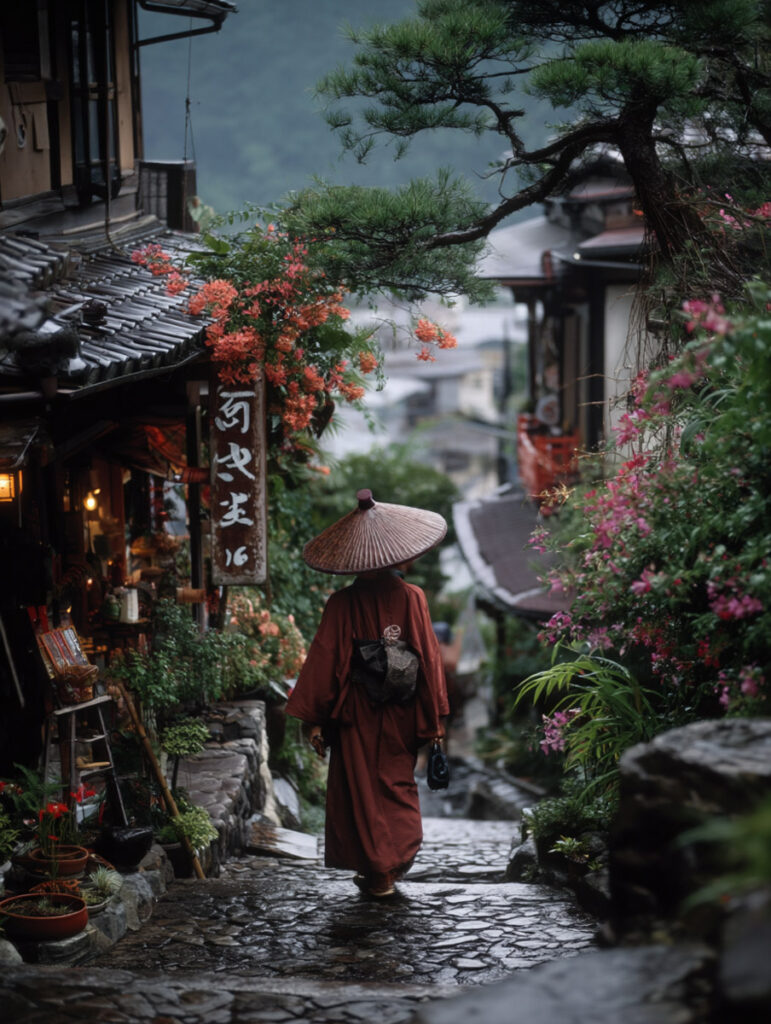
The Kumano Kodo isn’t just a hiking trail—it’s a spiritual highway that has been connecting three sacred sites (Kumano Hongu Taisha, Kumano Hayatama Taisha, and Kumano Nachi Taisha) since the Heian period. As I stepped onto the moss-covered stones of the Nakahechi route, worn smooth by a millennium of pilgrims’ feet, I felt the weight of history beneath every step.
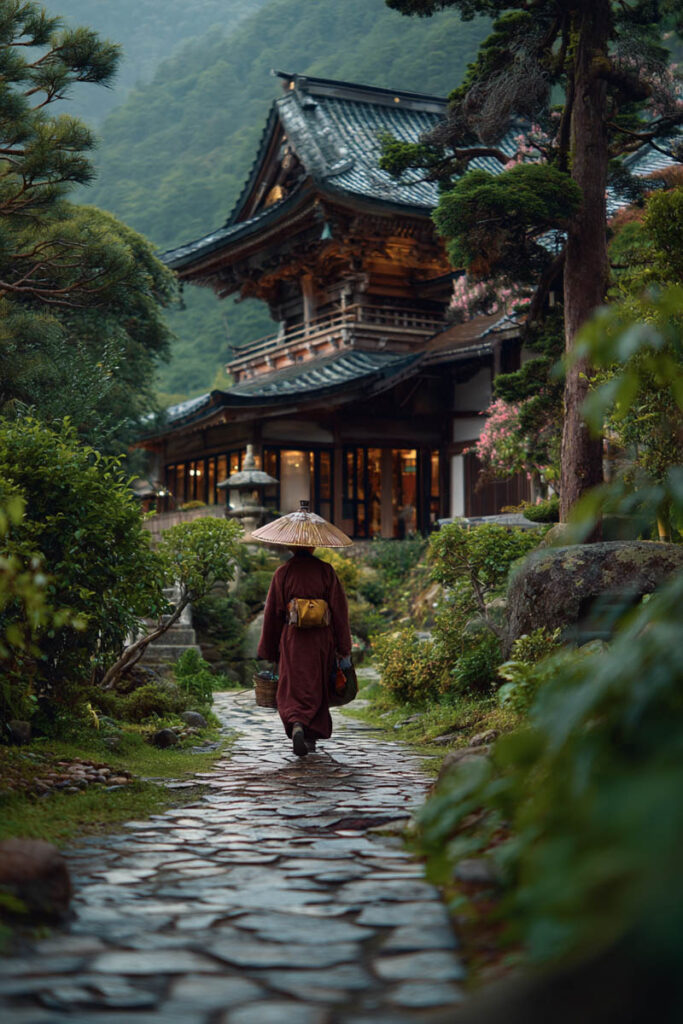

What struck me most was how perfectly preserved these trails remain. Unlike many tourist destinations that have been sanitized for mass consumption, the Kumano Kodo retains its raw, mystical power.
The forest teaches you patience. The trees don’t hurry to grow, the moss doesn’t rush to cover the stones. Everything happens in its own time.
Ancient cedars tower overhead, some over 800 years old, their massive trunks serving as natural cathedrals. Prayer flags flutter in the mountain breeze, and every few kilometers, you encounter weathered stone markers and small shrines where pilgrims have left offerings for centuries.

Cultural Insight
The concept of “forest bathing” (shinrin-yoku) originated in Japan and is now scientifically proven to reduce stress hormones and boost immune function. Walking these ancient trails, I understood why—there’s something deeply restorative about moving slowly through old-growth forest, listening to nothing but your footsteps and the whisper of wind through leaves.
Staying in Traditional Mountain Villages
Rather than rushing through, I chose to stay in traditional minshuku (family-run guesthouses) in villages that have barely changed in centuries. In Chikatsuyu, population 847, I stayed with the Yamamoto family, whose ancestors have been welcoming pilgrims for over 200 years.
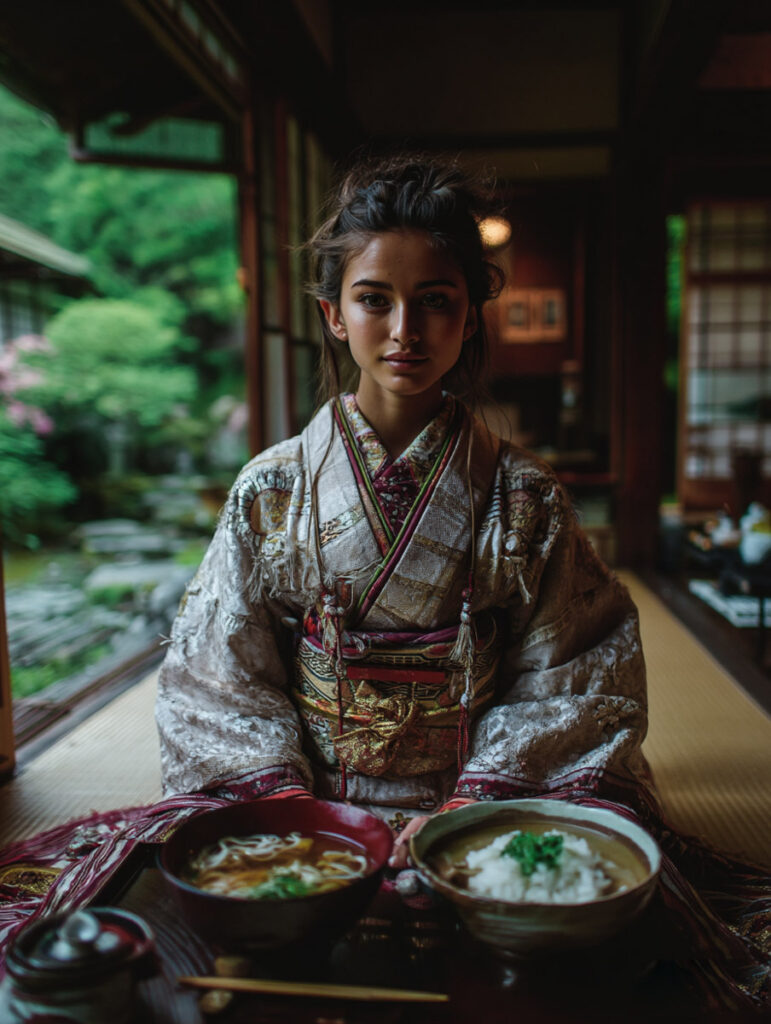
My room was a study in minimalist perfection—tatami mats, sliding shoji screens, and a low wooden table where Mrs. Yamamoto served me elaborate kaiseki dinners featuring ingredients foraged from the surrounding mountains. Wild mountain vegetables, locally caught river fish, and rice grown in ancient terraced fields that climb the hillsides like green staircases.
The Art of Slow Food, Japanese Style
Each meal was a meditation in itself. Mrs. Yamamoto would explain the origin of every ingredient—this bamboo shoot was harvested this morning from the grove behind the house, these mushrooms came from a specific oak tree her grandfather showed her as a child, this miso was made three years ago using a recipe passed down through seven generations.
Sustainable Travel Tip
Staying in traditional minshuku not only provides authentic cultural experiences but also supports local economies directly. Unlike chain hotels, every yen spent goes to the family running the guesthouse and local food producers. Many minshuku also practice traditional sustainability—composting, minimal waste, and using local, seasonal ingredients.
Temples That Time Forgot
The highlight of my journey was reaching Kumano Hongu Taisha, one of Japan’s most sacred Shinto shrines. But it wasn’t the grand main shrine that moved me most—it was the dozens of smaller temples I discovered along the way, many known only to locals and serious pilgrims.
When you walk slowly through the mountains for days, you begin to understand that you are not separate from nature. The air you breathe comes from these trees, the water you drink flows from these peaks. The boundary between self and nature dissolves.
At Takijiri-oji, the traditional starting point of the pilgrimage, I joined the morning prayers with a handful of elderly locals. Despite not understanding the ancient Japanese chants, I felt deeply connected to the ritual—the rhythmic drumbeats, the scent of burning incense, the morning light filtering through the forest canopy.

The Japanese have a concept called “ichigo ichie”—one time, one meeting—the idea that each encounter is unique and will never be repeated exactly the same way. Walking the ancient pilgrimage routes, staying with local families, and participating in centuries-old rituals taught me to embrace this philosophy completely.
The Kumano Kodo taught me that true adventure isn’t about conquering landscapes or checking destinations off a list. It’s about opening yourself to the wisdom that ancient places and traditional cultures can offer, and allowing that wisdom to change how you see the world.
The pilgrimage continues, even when the trail ends.
Where to Stay: Accommodations Along the Pilgrimage Route
- Yamamoto Minshuku (Chikatsuyu) – Seven-generation family guesthouse serving kaiseki dinners with foraged mountain ingredients
- Kumano Hongu Heritage Center – Traditional ryokan with temple views and natural hot spring baths overlooking the valley
- Takijiri Pilgrim Lodge – Historic inn at the sacred trail entrance, offering morning prayer ceremonies with local monks
- Koguchi Mountain Retreat – Remote eco-lodge run by former Tokyo residents who embraced sustainable mountain living
- Nachi Waterfall Guesthouse – Spiritual sanctuary steps from Japan’s tallest waterfall, with meditation gardens and vegetarian cuisine
How to Walk the Kumano Kodo Sustainably
- Transport: Take the JR train to Kii-Tanabe, then local buses to trailheads. This completely eliminates the need for rental cars.
- Accommodation: Book traditional minshuku and ryokans rather than hotels. Many offer pilgrim discounts.
- Food: Eat at your accommodation or local family restaurants. Avoid convenience store meals.
- Gear: Pack light and rent walking sticks locally. Many temples offer luggage forwarding services between stops.
- Timing: Visit in shoulder seasons (late spring or early fall) to avoid crowds and support local economies during quieter periods.
Cultural Etiquette Reminder
Remember that these are active pilgrimage routes and sacred spaces. Dress modestly, speak quietly, and always ask permission before photographing people or inside temples. Many locals still walk these trails for genuine spiritual purposes—respect their journey as much as your own.