
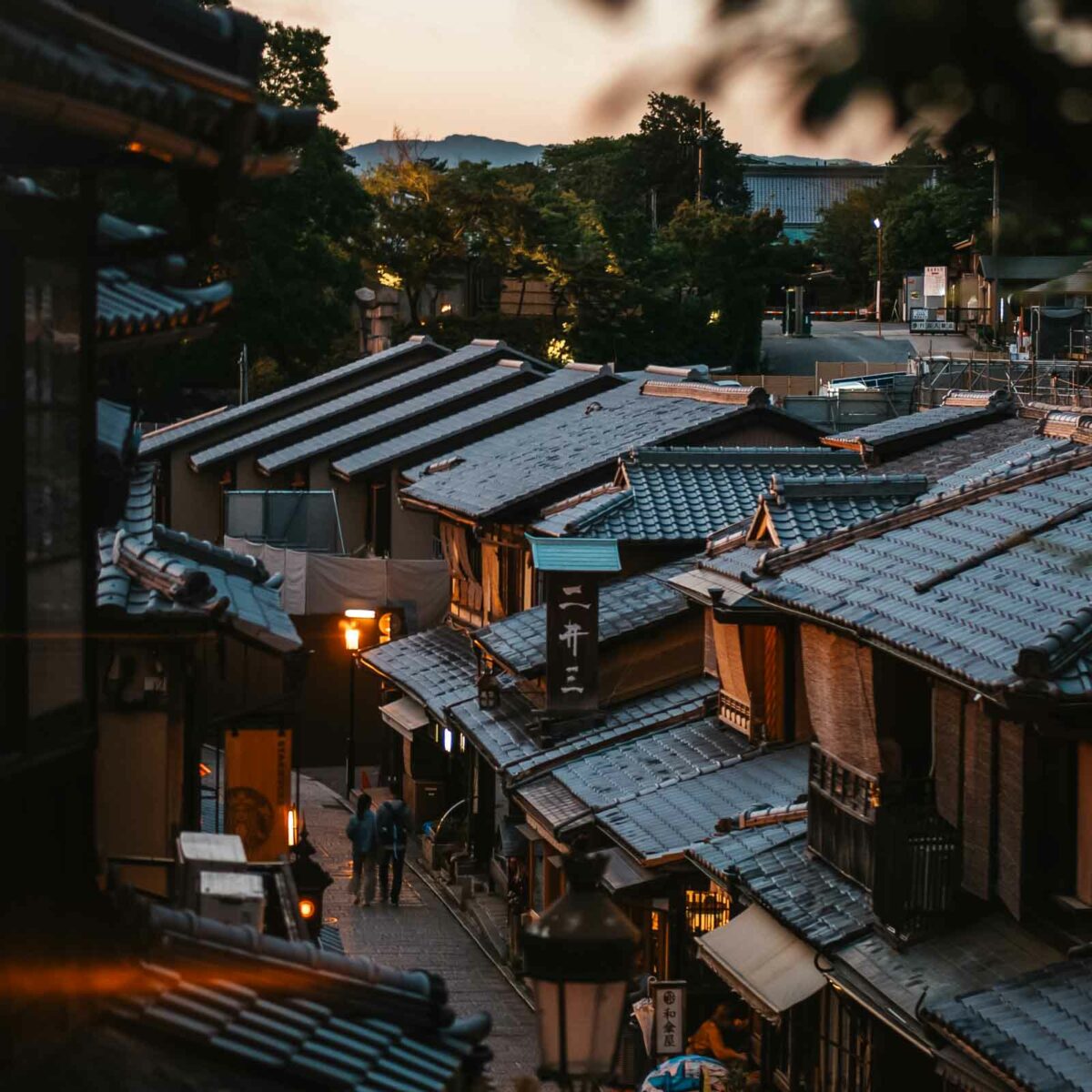
Turning travel dreams into reality requires more than just booking a ticket—it demands careful planning and smart preparation. This comprehensive resource guides you through the essential steps of adventure planning, from packing the right equipment and securing proper documentation to understanding what to expect along the way.
Chapters
Fast Facts
Best season: April to October (dry season)
Safety tip: Weather can change rapidly—always pack layers
Budget range: $50-200 per day depending on accommodation choice
Local tip: Early morning starts provide the best lighting and fewer crowds
Fun fact: Local flora includes plants found nowhere else on Earth
How To Plan Your Perfect Adventure
Successful travel begins with thoughtful preparation. Understanding the terrain, weather patterns, and local customs ensures not only a safer journey but also a more enriching experience. Take time to research each destination thoroughly before embarking on your adventure.
Making the Most of Your Experience
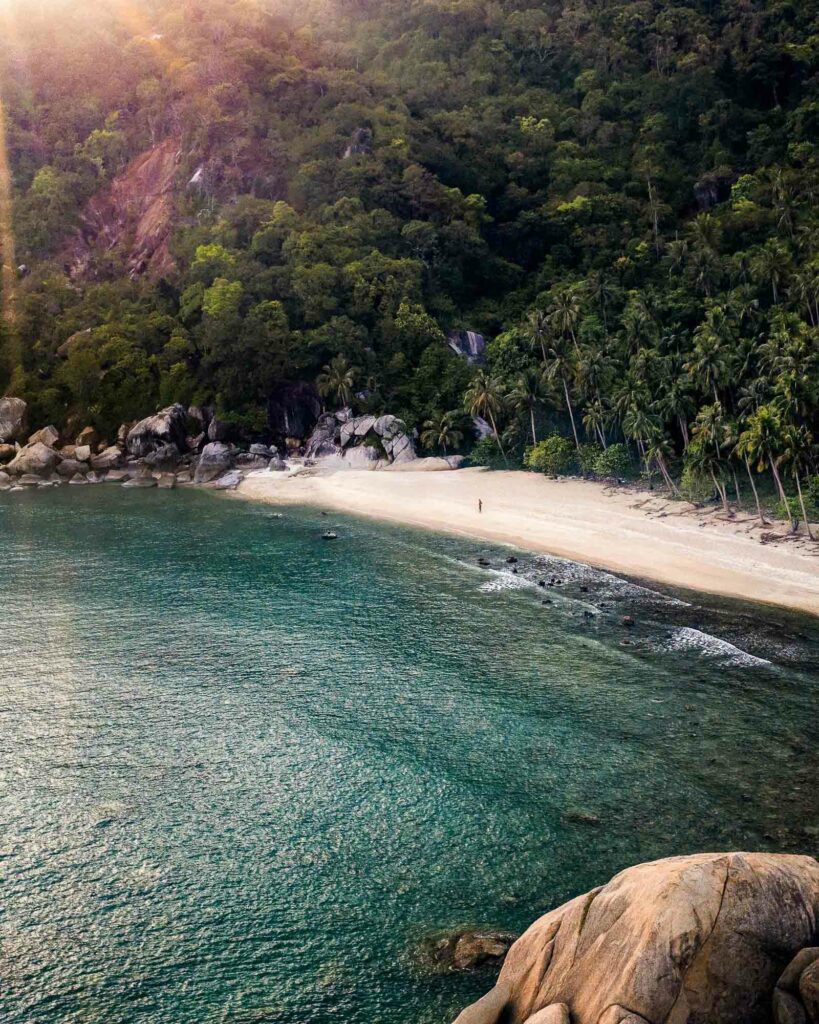
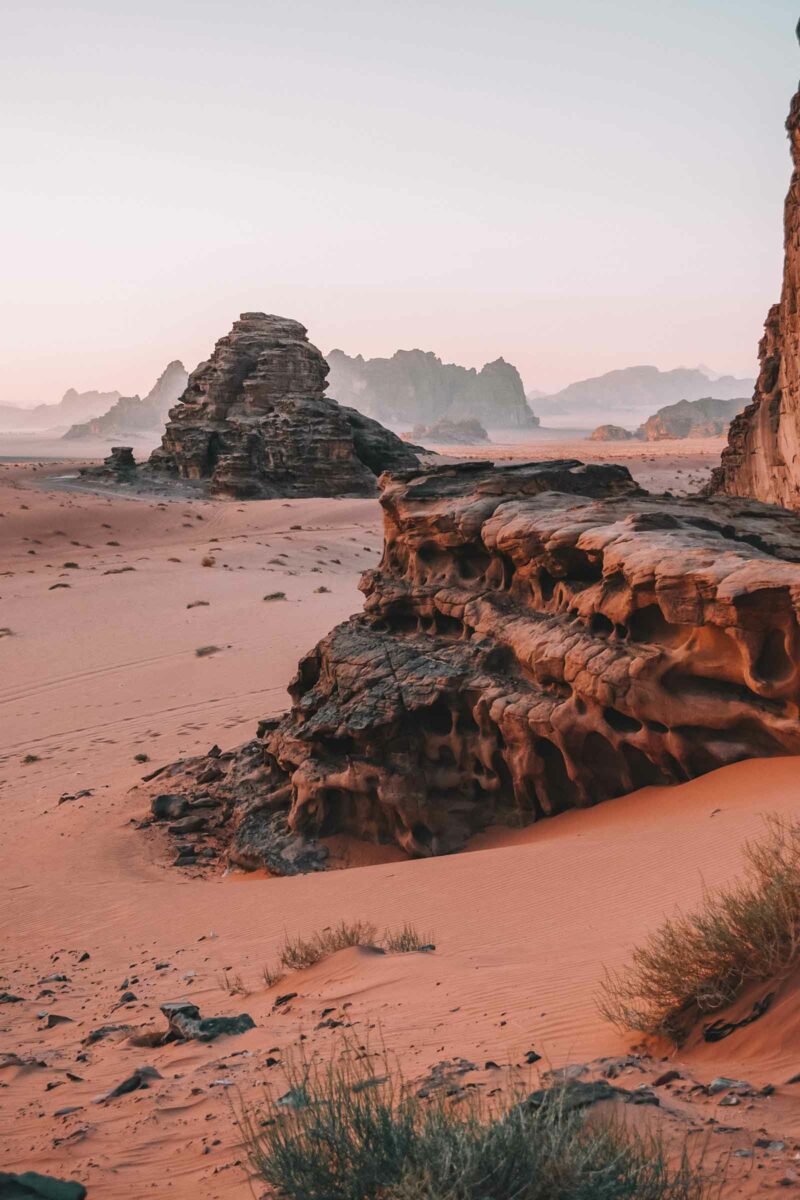
The key to a memorable journey lies not just in reaching your destination, but in embracing every moment along the way. Take time to appreciate the small details – the sound of wind through trees, the texture of ancient stones, or the play of light across a landscape.
The greatest adventures often begin where comfort ends. Take the unfamiliar road, embrace the unexpected, and let the journey show you just how big the world really is.
Remember that the most rewarding experiences often come from stepping outside your comfort zone while maintaining respect for the natural environment and local communities you encounter. Every interaction and obstacle becomes an opportunity to learn something new about the world and yourself.

Route Coordinates
Save these essential GPS waypoints to your navigation device before starting your journey. These coordinates mark key locations including viewpoints, rest stops, and emergency reference points.
Starting Point: 7°47'36"S, 110°22'15"E
Viewpoint Alpha: 7°32'12"S, 110°26'48"E
Base Camp: 7°33'45"S, 110°28'33"E
Emergency Shelter: 7°35'18"S, 110°24'12"E
Essential Preparation Steps
- Research your destination – Learn about local weather, customs, and regulations.
- Pack appropriately – Bring gear suitable for the terrain and climate conditions
- Plan your route – Map out key stops and alternative paths in case of unexpected changes
- Check visa requirements – Verify all entry and exit documentation well in advance
- Connect with local guides – Establish contacts with experienced local professionals
What to Pack: Complete Adventure Checklist
- Weather-resistant jacket – Lightweight and packable for sudden weather changes
- Sturdy hiking boots – Broken-in footwear with good ankle support and grip
- Navigation tools – GPS device, compass, and offline maps as backup
- Multi-tool or knife – Swiss Army knife or similar for various practical needs
- Headlamp and flashlight – LED lights with extra batteries for early starts and emergencies
Visa Requirements
Most travelers can stay visa-free for up to 30 days. For longer trips, apply for a tourist visa in advance. Check the latest rules before you ride.

Your photos are incredible! Adding this destination to my bucket list. Thanks for sharing all the practical tips, too.
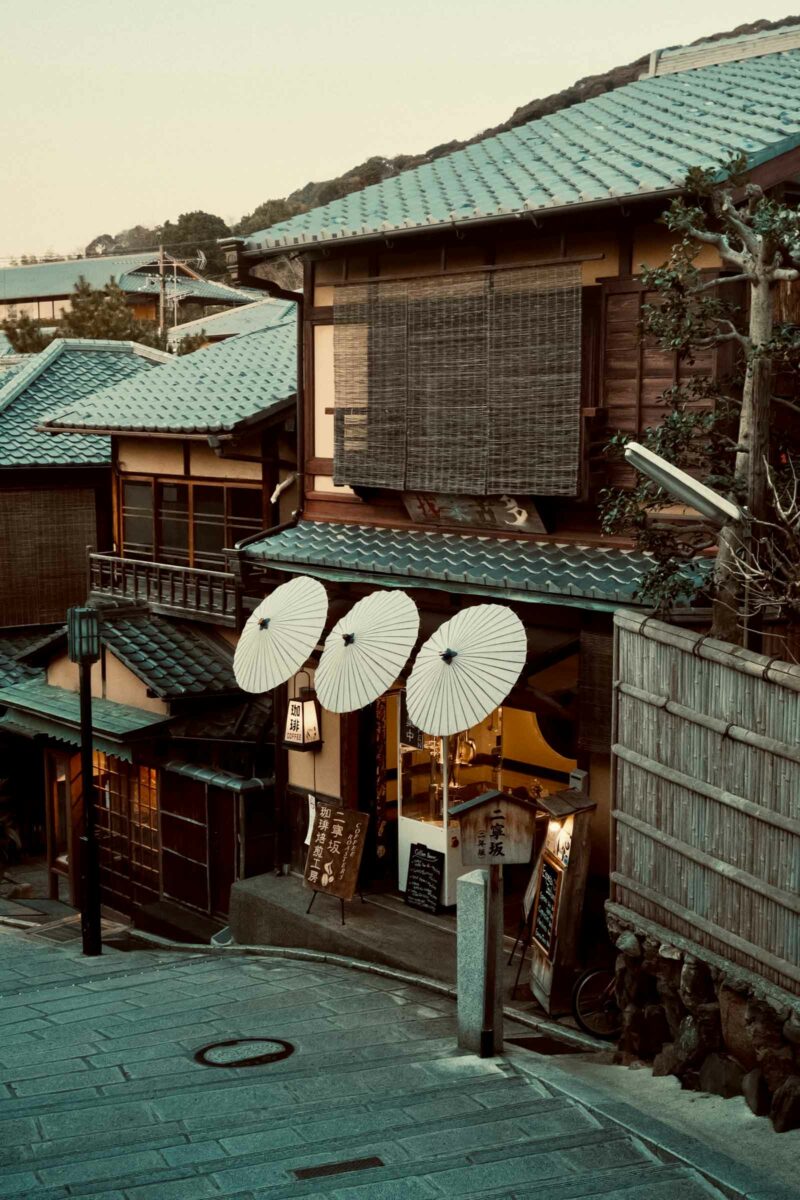
This guide comes at the perfect time! I’m planning my first trip to Japan next spring. Would you recommend spending three or four days in Kyoto? I want to see as much as possible without rushing through everything.
I’d definitely go for four days if you can! Three is enough to see the main highlights, but an extra day gives you time to slow down, explore the quieter neighborhoods and discover a few places you wouldn’t find in a guidebook. Trust me, Kyoto is worth taking your time!
Japan has been on my bucket list for years, and this post just made me want to book that ticket even more. Saving this for the day I finally make it there!