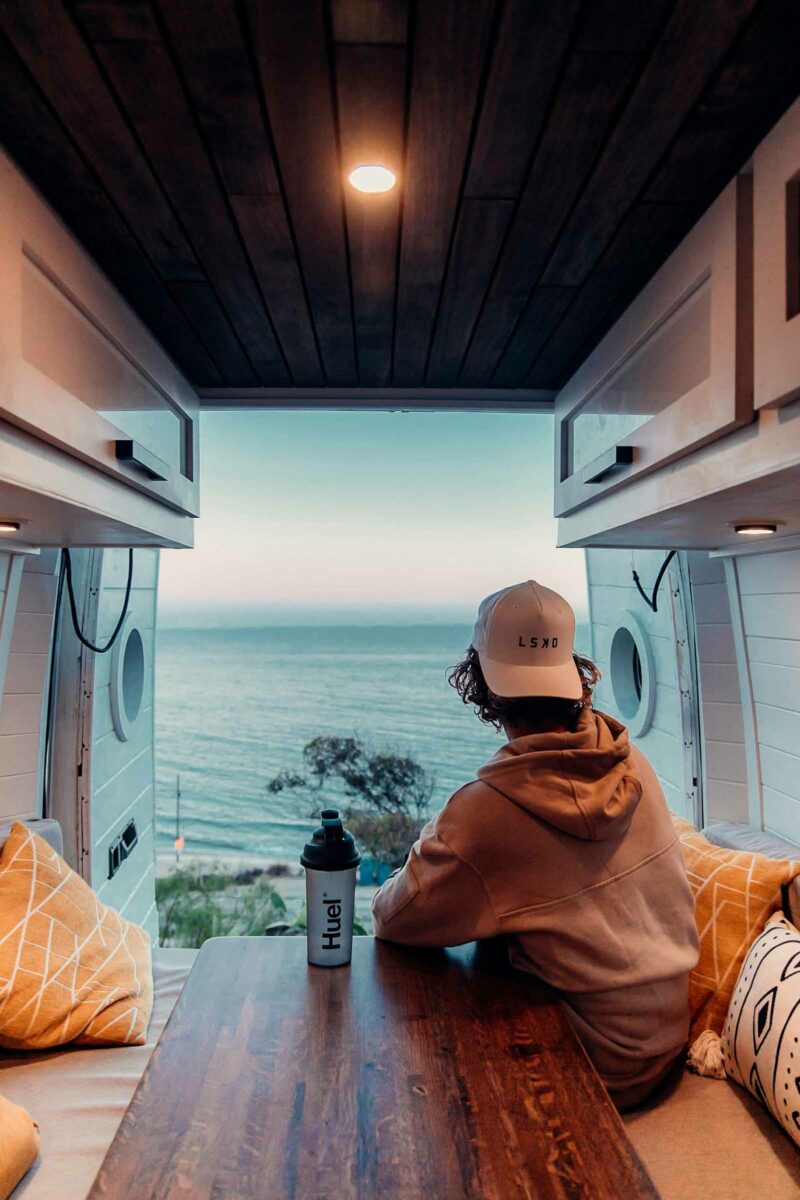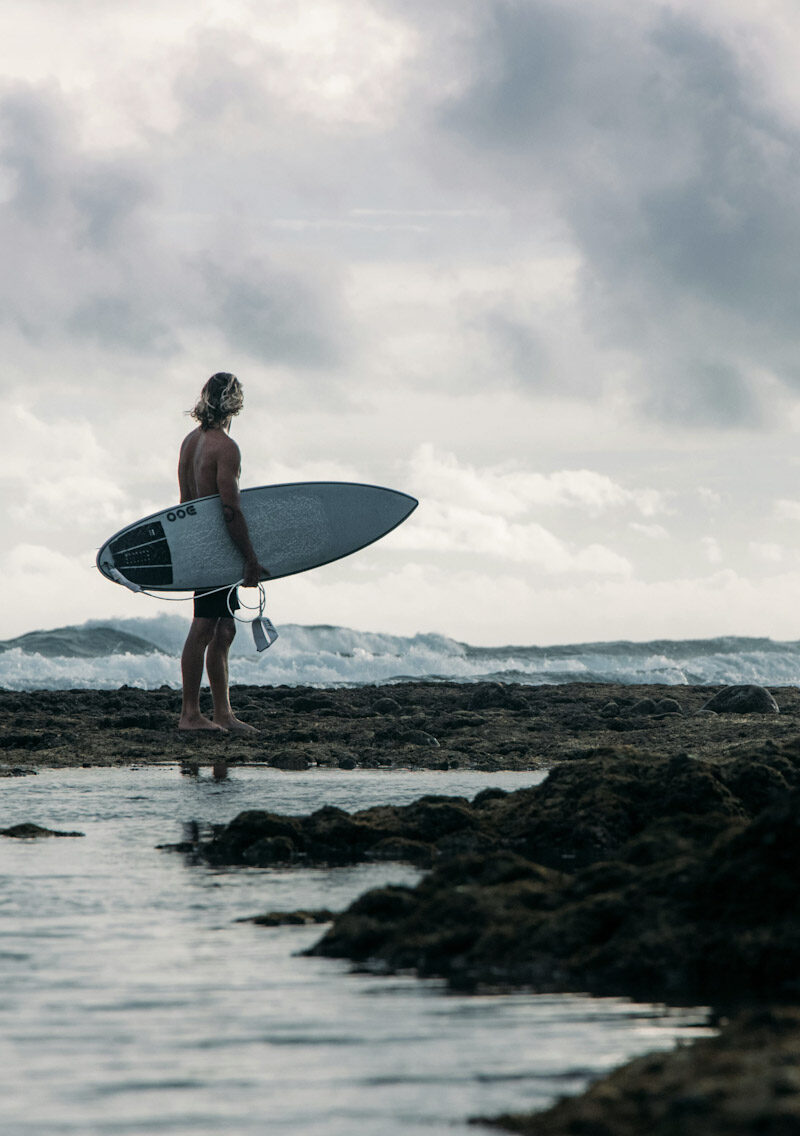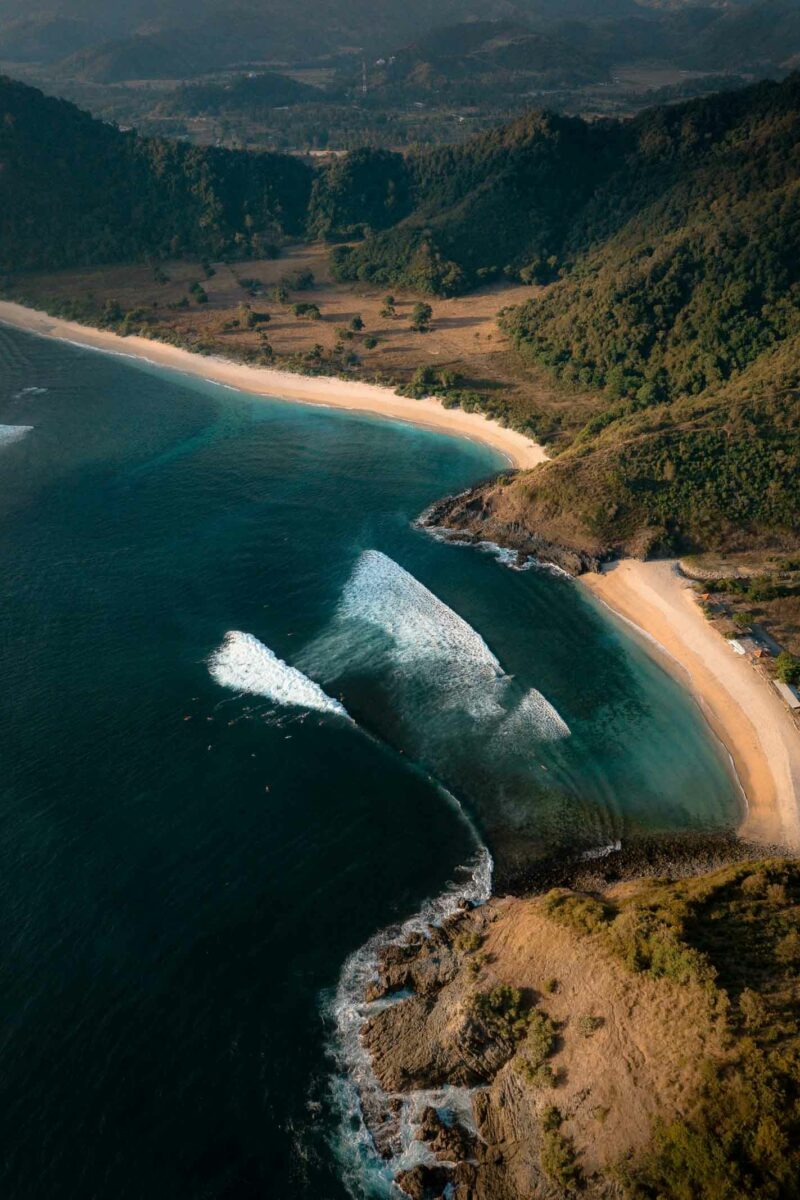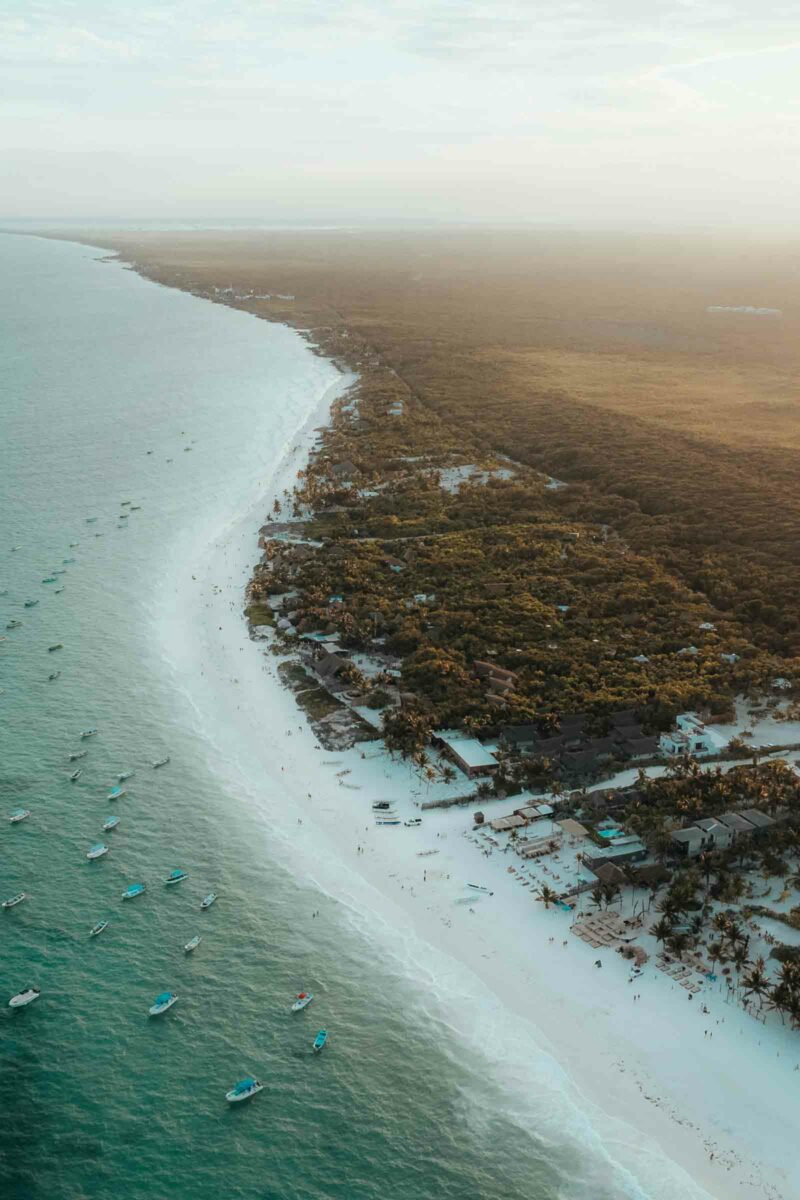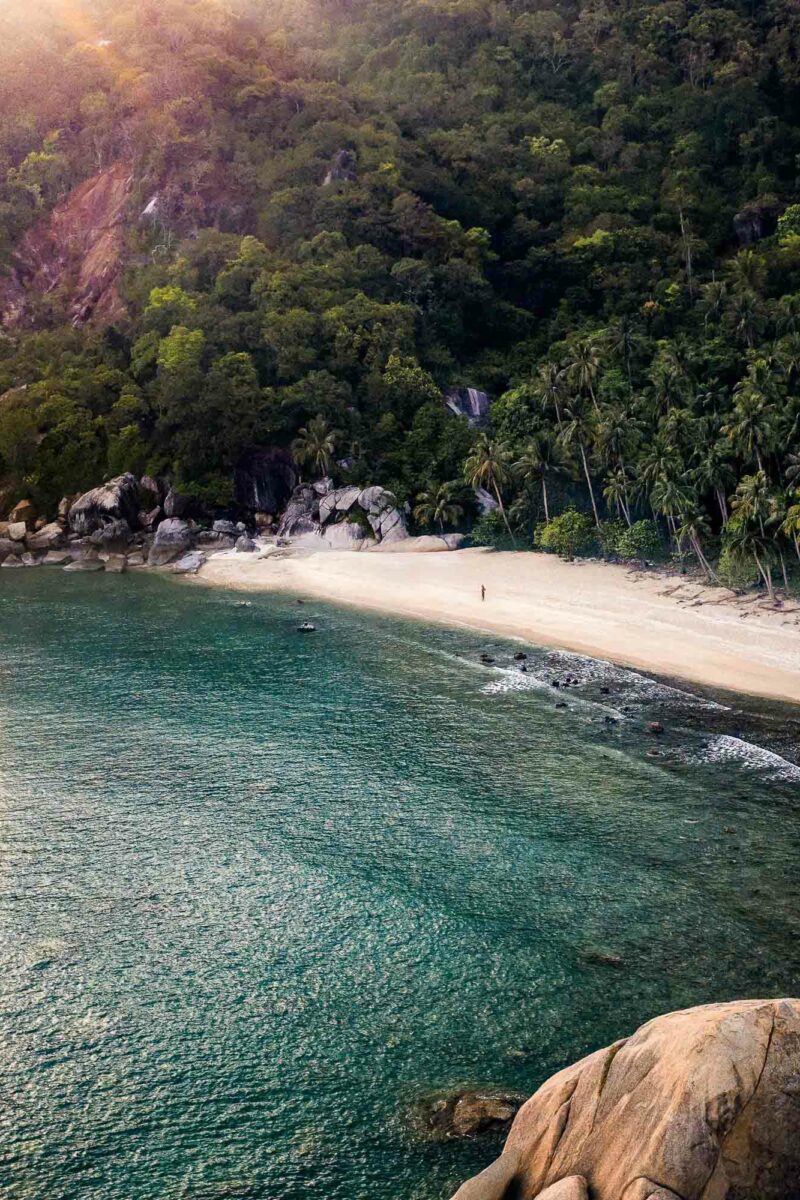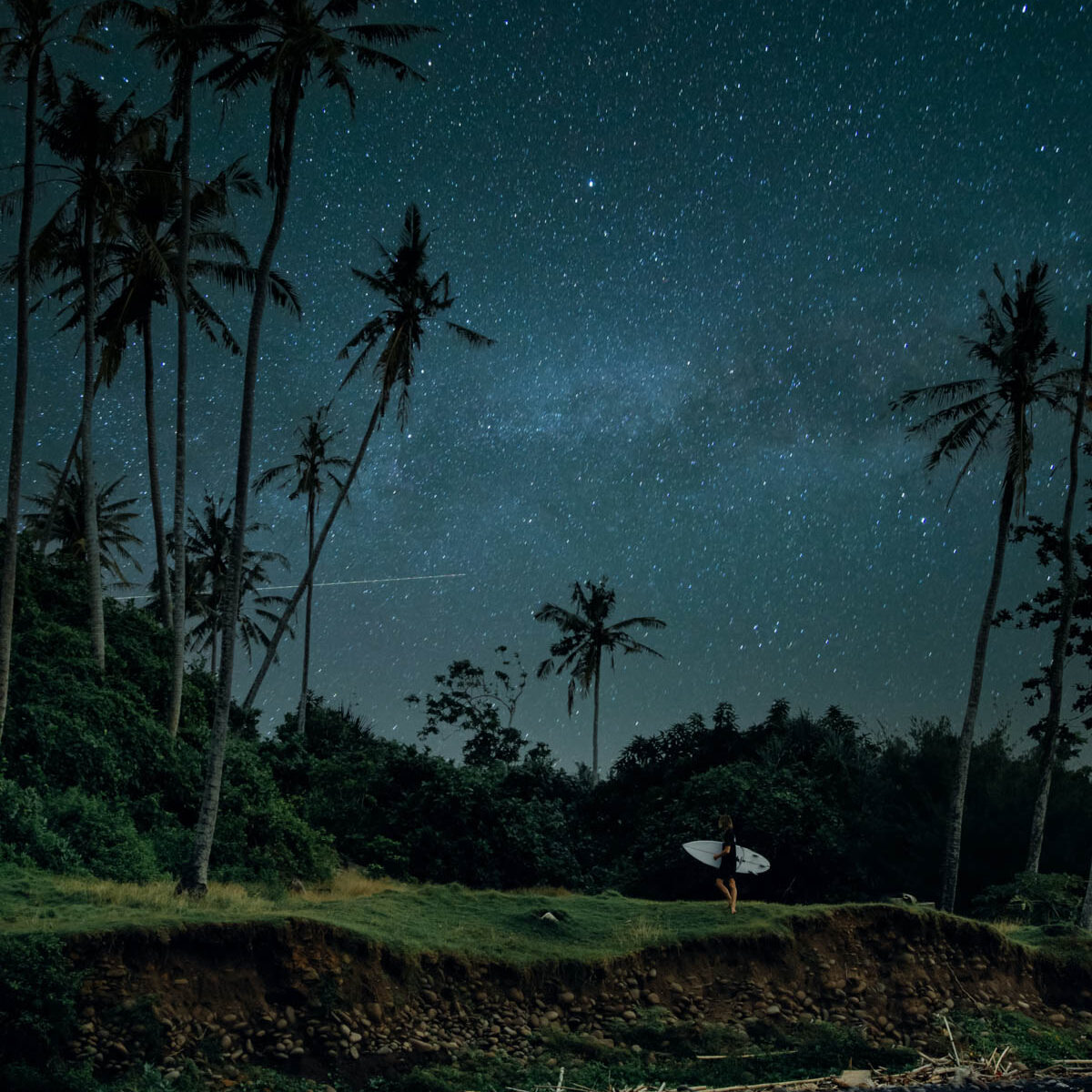
Indonesia takes on a whole new magic after sunset. From moonlit reef breaks to quiet beaches illuminated by fishing boats and starlit skies, night surfing offers a completely different way to experience the waves. Whether you’re chasing a little extra adventure or simply want to escape the crowds, these are some of the best spots to catch a wave after dark.
Fast Facts
Best season: April to October (dry season)
Safety tip: Weather can change rapidly—always pack layers
Budget range: $50-200 per day depending on accommodation choice
Local tip: Early morning starts provide the best lighting and fewer crowds
Fun fact: Local flora includes plants found nowhere else on Earth
How To Plan Your Perfect Adventure
Successful travel begins with thoughtful preparation. Understanding the terrain, weather patterns, and local customs ensures not only a safer journey but also a more enriching experience. Take time to research each destination thoroughly before embarking on your adventure.
Every adventure teaches us something new about ourselves and the world around us. Embrace the unexpected detours, weather changes, and chance encounters – these often become the most cherished parts of any journey.
Whether this is your first adventure or one of many, approach each journey with curiosity, respect, and an open mind. The world is full of incredible places waiting to be discovered, and each one offers its own unique rewards for those willing to explore.
Making the Most of Your Experience
The key to a memorable journey lies not just in reaching your destination, but in embracing every moment along the way. Take time to appreciate the small details – the sound of wind through trees, the texture of ancient stones, or the play of light across a landscape.
Adventure begins at the end of your comfort zone.
Remember that the most rewarding experiences often come from stepping outside your comfort zone while maintaining respect for the natural environment and local communities you encounter. Every interaction and obstacle becomes an opportunity to learn something new about the world and yourself.
Route Coordinates
Save these essential GPS waypoints to your navigation device before starting your journey. These coordinates mark key locations including viewpoints, rest stops, and emergency reference points.
Starting Point: 7°47'36"S, 110°22'15"E
Viewpoint Alpha: 7°32'12"S, 110°26'48"E
Base Camp: 7°33'45"S, 110°28'33"E
Emergency Shelter: 7°35'18"S, 110°24'12"E
Navigation Tips: Always cross-reference GPS coordinates with physical landmarks and trail markers. Technology can fail, so carry a physical map and compass as backup navigation tools.
Before You Go: Key Questions
These frequently asked questions address the most common concerns and practical considerations that arise during the planning process. Getting clear answers to these topics will help you make informed decisions and avoid common pitfalls that can impact your experience.
Can I rent equipment locally or should I bring my own?
Basic equipment like backpacks, sleeping bags, and trekking poles are available for rent in most adventure destinations. However, personal items like hiking boots, clothing, and safety gear should be your own for comfort and reliability. Test all rented equipment before starting your journey.
Is travel insurance really necessary?
Absolutely essential for adventure travel. Standard travel insurance often excludes high-risk activities, so ensure your policy covers adventure sports, medical evacuation, and equipment loss. The cost is minimal compared to potential medical or rescue expenses in remote locations.
How reliable is mobile phone coverage during the adventure?
Coverage varies significantly by location and can be sporadic in remote areas. Download offline maps, inform contacts of communication blackout periods, and consider satellite communicators for emergencies. Many accommodations offer WiFi, but don’t rely on constant connectivity.
How much should I budget for this type of trip?
Budget ranges vary significantly based on accommodation choices, group size, and activity level. Expect $75-300 per day including lodging, meals, guides, and transportation. Add 20-30% contingency for unexpected expenses, equipment replacement, or itinerary changes.
What’s the most challenging part that most people don’t expect?
Mental preparation is often underestimated. Physical discomfort, weather changes, and being outside your comfort zone can be mentally challenging. The reward comes from pushing through these moments. Expect some difficult days and celebrate the personal growth that comes with overcoming challenges.
Remember that every destination has unique characteristics, so always verify information with local sources closer to your departure date. Conditions, regulations, and services can change, especially in remote areas.

Essential Preparation Steps
- Research your destination – Learn about local weather, customs, and regulations.
- Pack appropriately – Bring gear suitable for the terrain and climate conditions
- Plan your route – Map out key stops and alternative paths in case of unexpected changes
- Check visa requirements – Verify all entry and exit documentation well in advance
- Connect with local guides – Establish contacts with experienced local professionals
What to Pack: Complete Adventure Checklist
- Weather-resistant jacket – Lightweight and packable for sudden weather changes
- Sturdy hiking boots – Broken-in footwear with good ankle support and grip
- Navigation tools – GPS device, compass, and offline maps as backup
- Multi-tool or knife – Swiss Army knife or similar for various practical needs
- Headlamp and flashlight – LED lights with extra batteries for early starts and emergencies
Visa Requirements
Most travelers can stay visa-free for up to 30 days. For longer trips, apply for a tourist visa in advance. Always consult official government sources or your local embassy for the most current information before traveling.